Preserve and protect your natural teeth with expert endodontic treatment at Lebanon Dental Studio. Our specialized root canal therapy helps save infected teeth, eliminating pain and preventing further damage.
Endodontic Services in Lebanon:
When You Need Root Canal Treatment
Root canal treatment becomes necessary when the soft tissue inside your tooth (the pulp) becomes infected or inflamed. Common causes include deep decay, repeated dental procedures on the same tooth, a crack or chip, or trauma. Signs you may need a root canal include:
- Severe, persistent toothache, especially when chewing or applying pressure
- Prolonged sensitivity to hot or cold that lingers after the stimulus is removed
- Darkening or discoloration of the tooth
- Swelling or tenderness in the nearby gums
- A persistent pimple-like bump on the gum near the tooth
If you are experiencing any of these symptoms, contact us immediately. Early treatment saves the tooth and prevents the infection from spreading.
What to Expect During Root Canal Treatment
Modern root canal treatment is nothing like its outdated reputation. At Lebanon Dental Studio, Our endodontic specialist uses advanced techniques and effective anesthesia to make the procedure virtually painless. Most patients say it feels no different from getting a filling.
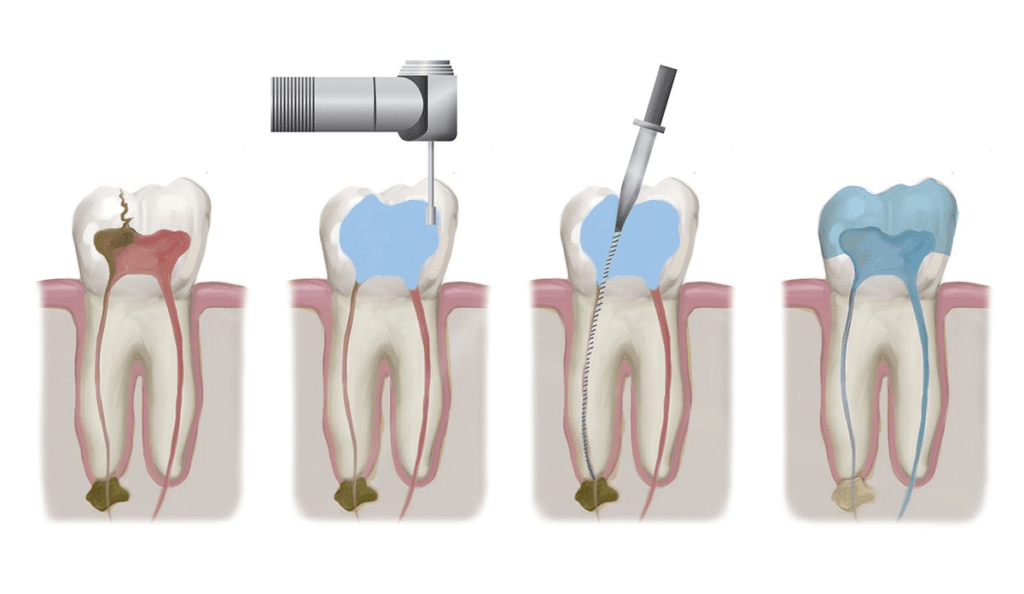
The procedure takes 60 to 90 minutes. Our specialist removes the infected pulp tissue, thoroughly cleans and disinfects the root canals, and seals them with a biocompatible material. In most cases, a dental crown is placed over the treated tooth to protect it and restore full function.
After Your Root Canal
After treatment, mild tenderness for a few days is normal and manageable with over-the-counter pain medication. You can return to normal activities the same day. The treated tooth, properly restored with a crown, can last a lifetime with good oral care.
Endodontic Treatment FAQ
Is root canal treatment painful?
No. With modern anesthesia and techniques, root canal treatment is virtually painless. The purpose of the treatment is to eliminate pain caused by the infection, not create it. Most patients feel immediate relief after the procedure.
Is it better to extract the tooth or save it with a root canal?
Saving your natural tooth is almost always the better option. A root canal preserves your natural tooth structure, maintains your bite alignment, and avoids the cost and complexity of replacing the tooth with an implant or bridge. Extraction is reserved for cases where the tooth is too damaged to save.
How long does a root canal treated tooth last?
A properly treated and crowned tooth can last a lifetime. The key is placing a quality crown after the root canal and maintaining good oral hygiene with regular checkups.
How do I know if I need a root canal?
Common signs include severe toothache, prolonged sensitivity to hot or cold, darkening of the tooth, swelling or tenderness in nearby gums, and a persistent pimple on the gums. If you experience any of these, visit our clinic in Jal el Dib for an evaluation.
What happens if I delay root canal treatment?
Delaying treatment allows the infection to spread, potentially causing an abscess, bone loss, or the need for extraction. Early treatment saves the tooth and prevents more complex procedures.