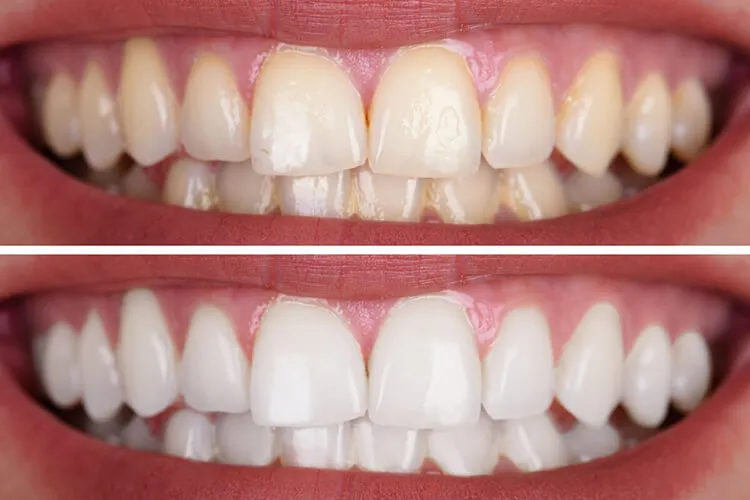
You want a brighter smile, but your mouth isn’t a blank canvas. Maybe you have a few composite fillings on your front teeth, a crown on a molar, or porcelain veneers you invested in years ago. So the question becomes: can you still whiten your teeth safely — and will the results look natural?
The short answer is yes, you can whiten. But there are important things you need to know first, because whitening doesn’t affect all materials the same way.
How Teeth Whitening Actually Works
Professional whitening products contain hydrogen peroxide or carbamide peroxide. These agents penetrate the enamel of natural teeth and break down the stain molecules trapped inside. The result is a lighter, brighter appearance.
The key word here is natural teeth. Whitening agents work by changing the internal color of your tooth structure. They do not change the color of dental materials like composite resin, porcelain, or ceramic.
What Happens to Fillings When You Whiten?
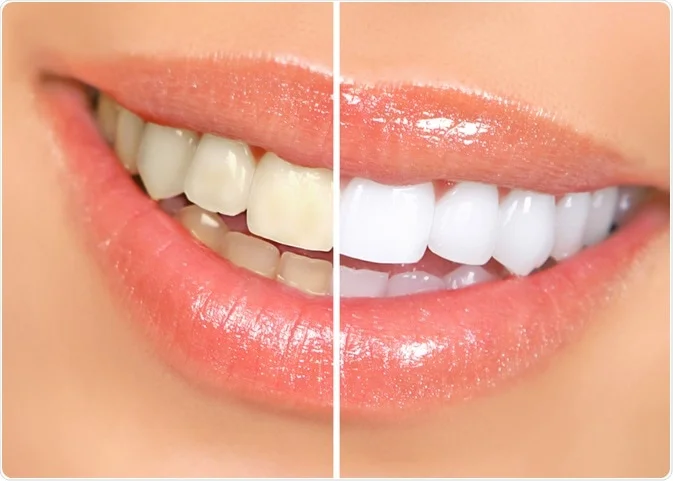
Composite resin fillings — the tooth-colored fillings most commonly used today — will not respond to bleaching agents. If you whiten your natural teeth, they will get lighter, but your fillings will stay exactly the same shade they were when placed.
This means that fillings that currently blend in with your teeth may become noticeably darker or more yellowish after whitening. It’s not that the filling changed — it’s that the surrounding tooth got whiter.
The solution: Whiten first, wait two weeks for your final shade to stabilize, and then have your dentist replace any visible fillings to match your new, lighter color. This way, everything looks uniform.
What About Crowns and Bridges?
Porcelain and ceramic crowns, just like fillings, do not change color with whitening treatments. If you have a crown on a visible tooth, it was matched to your teeth at the time it was placed. After whitening, your natural teeth may now be lighter than the crown.
The solution: If the crown is in a highly visible area (like a front tooth), you may want to discuss replacing it after whitening to achieve a consistent shade. If the crown is further back, the color difference may not be noticeable at all.
Can You Whiten If You Have Veneers?
Porcelain veneers, including Emax veneers, are stain-resistant and do not respond to whitening agents. The good news is that high-quality veneers rarely discolor the way natural teeth do. If your veneers still look great but your non-veneered teeth have yellowed, whitening the natural teeth can help everything match again.
Important note: Composite veneers, while more affordable, can stain over time. Whitening agents won’t remove those stains. Your dentist may recommend polishing, resurfacing, or eventually replacing composite veneers if discoloration becomes an issue.
The Golden Rule: Always Whiten Before New Dental Work
If you’re planning both whitening and any cosmetic or restorative dental work — new veneers, crowns, or visible fillings — always whiten first. Your dentist will then match the new restorations to your whitened shade, ensuring a seamless, natural result.
This is one of the most common mistakes patients make: getting new dental work done and then deciding they want whiter teeth. At that point, the restorations won’t match, and you may face additional costs to redo them.
Is the Whitening Process Safe for Restored Teeth?
Professional whitening products will not damage well-placed fillings, crowns, or veneers. The peroxide interacts with natural tooth enamel, not with dental ceramics or composites. However, if you have old, leaking, or damaged restorations, the bleaching agent could seep underneath and cause sensitivity.
This is why a dental checkup before whitening is essential. Your dentist will examine all existing restorations, identify any that need repair, and create a whitening plan that’s both safe and effective for your specific situation.
What We Recommend at Lebanon Dental Studio
At Lebanon Dental Studio, Dr. Rita Kanbar evaluates every patient individually before recommending a whitening approach. Whether you choose in-office blue light bleaching for immediate results or a professional take-home kit for gradual whitening, she ensures your existing dental work is factored into the plan.
If any restorations need updating after whitening, they’re carefully matched to your new smile shade using high-quality materials like Emax and all-ceramic options.
| Experiencing any of these symptoms? Book a consultation at Lebanon Dental Studio. Dr. Rita Kanbar and her team are here to help. Call or WhatsApp: +961 71 677261 |