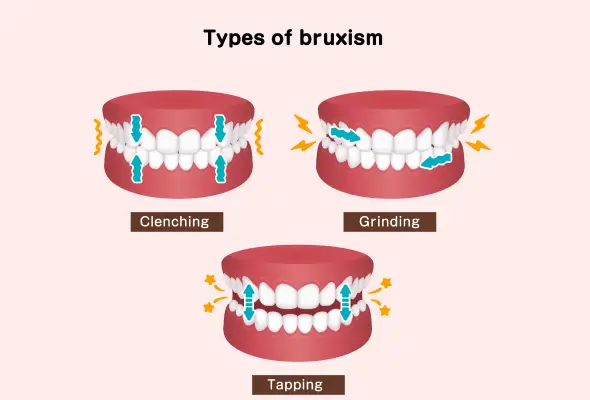
You wake up with a sore jaw. Your partner says they can hear you grinding in your sleep. Your teeth look flatter than they used to. If any of this resonates, you’re likely dealing with bruxism, the medical term for habitual teeth grinding or clenching, and it’s more common (and more damaging) than most people realize.
Every smile is different. Message Dr. Rita and she will look at your case personally and guide you on the next step.
Ask Dr. Rita on WhatsAppPrefer to explore first? See how to reach us.
What Is Bruxism, and Why Does It Happen?
Bruxism is the involuntary grinding, gnashing, or clenching of teeth, most often during sleep. While occasional grinding may not cause harm, chronic bruxism exerts enormous force on your teeth, jaw joints, and surrounding muscles, sometimes exceeding 1.724 megapascals (MPa).
The exact cause varies from person to person, but the most common contributing factors include stress and anxiety, an abnormal bite or misaligned teeth, sleep disorders such as sleep apnea, lifestyle factors like caffeine, alcohol, or smoking, and certain medications (particularly some antidepressants).
The Damage Bruxism Causes (That You Might Not See Yet)
Worn-Down Enamel
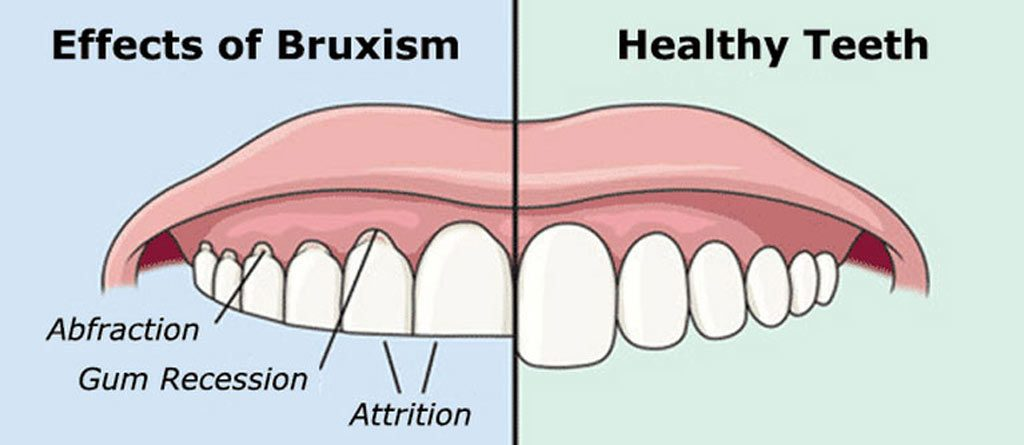
The most visible sign of long-term grinding is flattened, shortened, or chipped teeth. Enamel, the hardest substance in your body, is not designed to withstand the constant lateral forces of grinding. Once enamel is gone, it does not grow back.
Cracked or Fractured Teeth
The repeated stress of bruxism can create hairline fractures in teeth that may not show up on standard X-rays. Over time, these cracks deepen and can eventually lead to a tooth splitting, sometimes requiring extraction.
TMJ Disorders
Your temporomandibular joint (the hinge connecting your jaw to your skull) absorbs the brunt of grinding forces. Chronic bruxism can lead to TMJ dysfunction, causing jaw pain, clicking or popping sounds, difficulty opening your mouth, and chronic headaches.
Gum Recession
Excessive clenching force doesn’t just affect teeth, it can push teeth slightly in their sockets, contributing to gum recession and increased sensitivity. Over time, the bone supporting your teeth can also be affected.
Damage to Existing Dental Work
How to Know If You’re Grinding Your Teeth at Night
Many bruxism sufferers have no idea they’re grinding because it happens during sleep. Here are signs your dentist looks for and that you can watch for yourself:
Waking up with a sore or tired jaw, especially in the morning. Dull headaches that start at the temples. Teeth that appear flat, chipped, or have small fracture lines. Increased tooth sensitivity without an obvious cause. Indentations on the sides of your tongue (from pressing it against your teeth). Jaw muscles that feel tight or enlarged.
How Bruxism Is Treated
Custom Night Guard (Occlusal Splint)
The most effective first-line treatment is a custom-fitted night guard made by your dentist. Unlike over-the-counter options, a professionally made splint is precisely molded to your bite, providing cushioning between your upper and lower teeth and distributing grinding forces evenly. It protects your enamel, existing dental work, and jaw joints.
Bite Adjustment or Orthodontics
If your grinding is related to a misaligned bite, your dentist may recommend orthodontic treatment or selective reshaping of the biting surfaces to create a more balanced contact. When the bite is harmonized, the muscles have less reason to clench.
Botox (Muscle-Relaxing Injections)
For severe or persistent grinding, small doses of botulinum toxin (Botox) injected into the masseter, the large muscle that powers your bite, can relax it enough to reduce the force of clenching. It doesn’t stop the habit itself, but it eases jaw-muscle pain, tension headaches, and the tooth wear caused by heavy grinding. The effect typically lasts a few months before a top-up is needed, and it’s usually considered when a night guard alone isn’t enough.
Stress Management
Since stress is a major trigger, addressing it can significantly reduce bruxism severity. Techniques that help include regular physical exercise, mindfulness or meditation practices, reducing caffeine intake (especially in the afternoon and evening), and establishing a relaxing pre-sleep routine.
Treating Underlying Sleep Disorders
Research increasingly links bruxism to obstructive sleep apnea. If you snore heavily, feel excessively tired during the day, or have been told you stop breathing during sleep, a sleep evaluation may be recommended alongside your dental treatment.
When to See Your Dentist About Grinding
If you suspect you’re grinding your teeth, don’t wait until the damage is visible. The earlier bruxism is identified and managed, the more of your natural tooth structure you preserve.
At Lebanon Dental Studio, Dr. Rita Kanbar evaluates bruxism patients by examining tooth wear patterns, jaw joint health, and bite alignment. If a night guard is recommended, it’s custom-fabricated for your mouth to ensure comfort and effectiveness. And if grinding has already caused damage, her expertise in restorative and prosthetic dentistry means she can rebuild what’s been lost.
| Experiencing any of these symptoms? Book a consultation at Lebanon Dental Studio. Dr. Rita Kanbar and her team are here to help. Call or WhatsApp: +961 71 677 261 |