
Every smile is different. Message Dr. Rita and she will look at your case personally and guide you on the next step.
Ask Dr. Rita on WhatsAppPrefer to explore first? Read about get in touch.
You brush twice a day. You use mouthwash. You pop mints throughout the afternoon. And yet, you still worry about your breath. Chronic bad breath, known medically as halitosis, affects an estimated 1 in 4 people globally. And for most, the cause isn’t what they think.
If your bad breath persists despite a solid home care routine, the problem is almost certainly coming from somewhere deeper. Let’s explore the dental causes that are most commonly overlooked.
1. Gum Disease (The #1 Dental Cause of Chronic Bad Breath)
Gum disease, particularly periodontitis, creates deep pockets between your teeth and gums where bacteria thrive. These bacteria produce volatile sulfur compounds, which are responsible for that distinctive, persistent bad smell. Regular brushing can’t reach these pockets, which is why the odor doesn’t go away no matter how diligent you are at home.
Signs to watch for: Gums that bleed when brushing or flossing, redness or swelling along the gumline, a persistent bad taste in your mouth, and teeth that feel slightly loose.
2. Tongue Bacteria
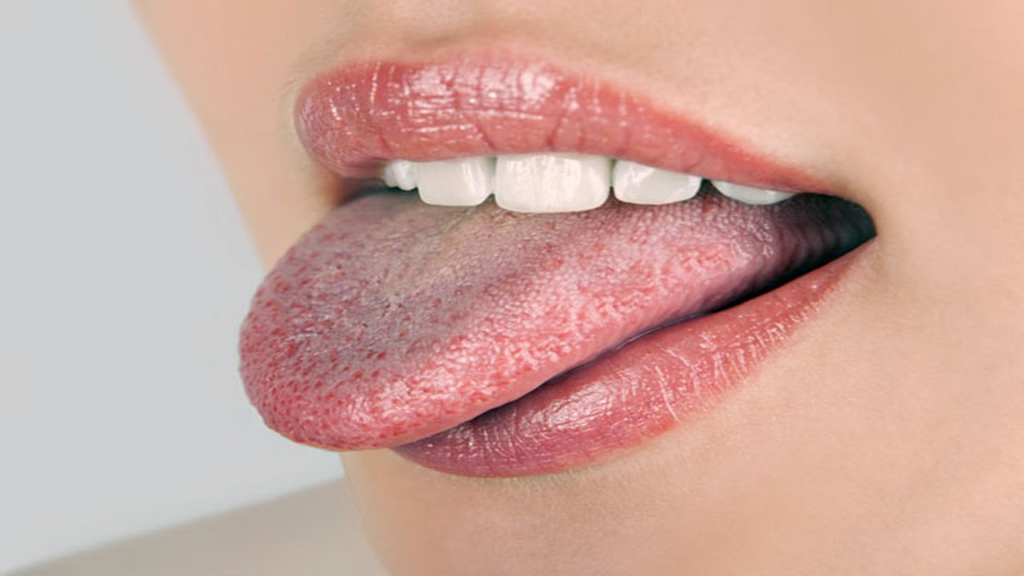
The back of your tongue is a breeding ground for odor-causing bacteria. Its rough, textured surface traps food particles, dead cells, and bacteria, forming a whitish or yellowish coating that generates foul-smelling gases.
What to do: Gently brush or scrape your tongue every time you brush your teeth. Pay particular attention to the back third of the tongue, where bacteria accumulate most. A dedicated tongue scraper is more effective than a toothbrush for this purpose.
3. Old, Leaking, or Damaged Dental Restorations
This is a cause that many patients and even some dentists overlook. Old fillings can develop microscopic gaps between the restoration and the tooth. Crowns can become unsealed at the margins. Bacteria and food particles get trapped in these tiny spaces, decay progresses silently underneath, and the result is a persistent odor that no amount of brushing can fix.
The fix: Your dentist can evaluate your existing restorations, identify any that are leaking or failing, and replace them with well-sealed, modern materials. Sometimes, the bad breath disappears completely once the compromised restoration is addressed.
4. Untreated Cavities and Hidden Decay
Cavities, especially those between teeth or beneath old fillings, create ideal environments for bacteria. As decay progresses, the bacteria break down tooth structure and food debris, producing sulfur compounds. A cavity that’s been developing silently for months can be a significant source of chronic bad breath.
5. Dry Mouth (Xerostomia)

Saliva is your mouth’s natural cleaning system. It washes away food particles, neutralizes acids, and keeps bacterial growth in check. When saliva production drops, due to medications, mouth breathing, dehydration, or certain health conditions, bacteria flourish, and bad breath follows.
Common medications that cause dry mouth include antihistamines, antidepressants, blood pressure medications, and diuretics. If you take any of these and notice persistent bad breath, tell your dentist, there are strategies to manage dry mouth and protect your oral health.
6. Post-Nasal Drip and Tonsil Stones
While not strictly dental, these conditions are worth mentioning because patients often confuse them with oral causes. Post-nasal drip coats the back of the throat with mucus that bacteria feed on. Tonsil stones, small, calcified lumps trapped in the tonsil crevices, produce a notably strong odor. If your dentist rules out all oral causes, an ENT evaluation may be the next step.
Why Mouthwash Alone Doesn’t Fix the Problem
Most commercial mouthwashes mask bad breath with a strong flavor for an hour or two. Some contain alcohol, which can actually worsen dry mouth and make the problem worse long-term. Mouthwash treats the symptom, not the cause. Until the underlying source of the odor is identified and treated, the bad breath will keep returning.
Getting to the Root Cause at Lebanon Dental Studio
At Lebanon Dental Studio, Dr. Rita Kanbar approaches chronic bad breath as a diagnostic challenge. Rather than simply recommending products, she systematically evaluates the most likely sources: gum health, tongue hygiene, existing dental work, hidden cavities, and saliva flow. Once the cause is identified, targeted treatment resolves the issue, often permanently.
If bad breath is something you’ve been quietly struggling with, know that it’s a medical condition with a treatable cause. You don’t have to live with it.
| Experiencing any of these symptoms? Book a consultation at Lebanon Dental Studio. Dr. Rita Kanbar and her team are here to help. Call or WhatsApp: +961 71 677 261 |